November 16, 2026
Regular oil changes are one of the simplest ways to keep your vehicle running smoothly on the road. Bringing your vehicle to a professional facility ensures that every vital component gets the expert attention it needs. While you are sitting in the waiting room, taking a few minutes to talk with the technician can give you great insight into your vehicle’s condition. Asking the right questions helps you stay ahead of routine maintenance, spot small issues before they become major problems, and budget for upcoming car repairs. Keeping open lines of communication with your technician ensures your vehicle gets complete care every time you drop by for service.
Which Motor Oil Grade Suits My Driving Habits?
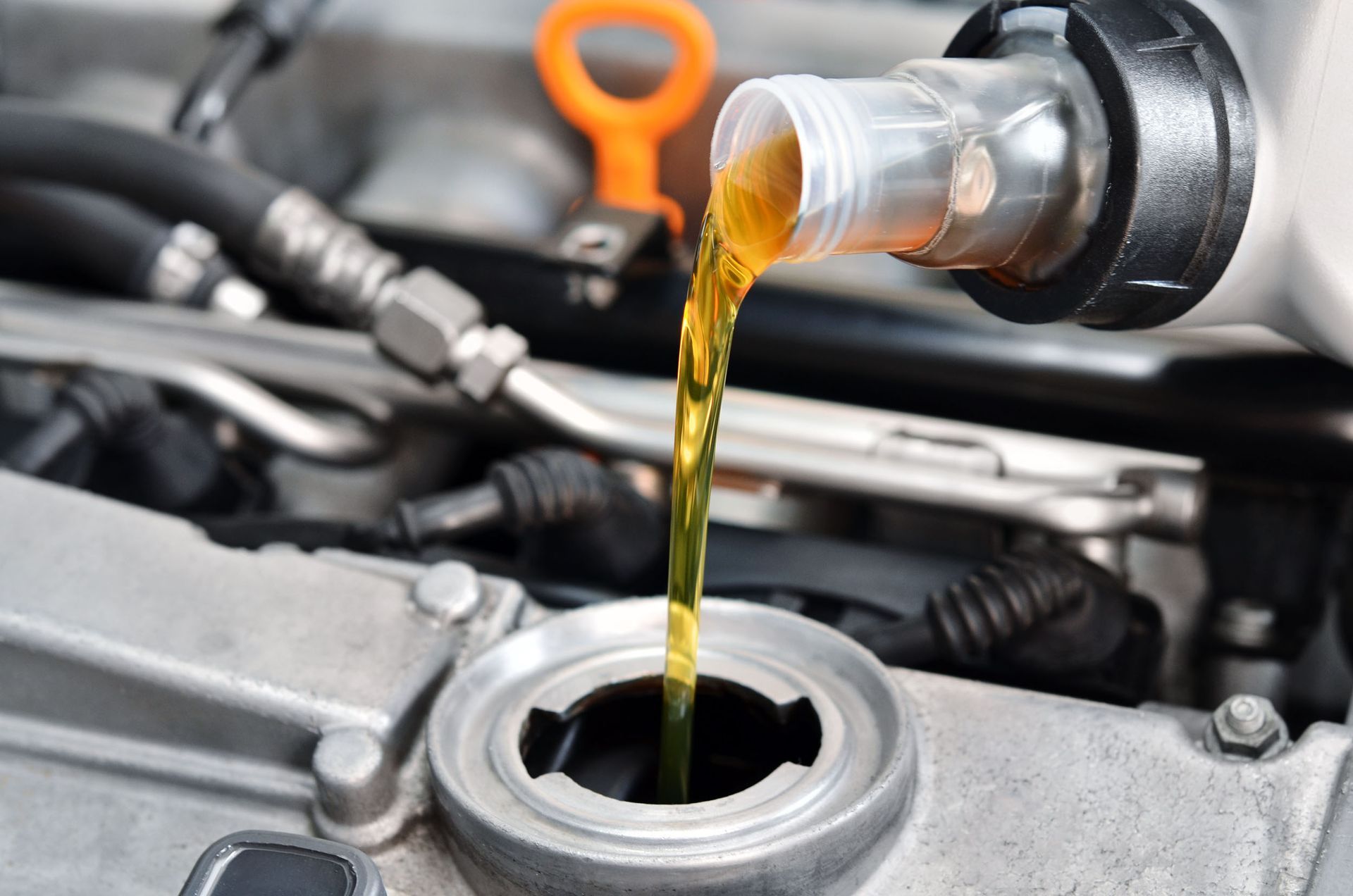
Every engine requires a specific viscosity of oil to run efficiently, but your personal driving style also influences how your motor oil performs. If you spend hours idling in bumper-to-bumper traffic or frequently haul heavy loads, your engine works harder than one driven primarily on open highways. Talking with your technician helps you choose an oil formulation that balances engine protection with daily performance demands. They can review manufacturer guidelines alongside your daily routine to choose the appropriate weight and formula. Making sure your vehicle uses the correct oil grade reduces internal friction and helps prevent unnecessary car repairs over time.
How Does My Oil Filter Look During Replacement?
The oil filter plays a critical role by trapping dirt, debris, and metal shavings before they can circulate through engine components. Asking your technician to inspect the old filter when it comes off provides a quick peek inside your engine's internal environment. Heavy contamination or metallic flecks in the filter medium can signal early wear on internal bearings or gears. Catching these early indicators gives you a head start on planning necessary car repairs before major mechanical damage happens. A clean filter installed alongside fresh fluid ensures your engine maintains optimal oil pressure until your next scheduled visit.
Could You Inspect All Additional Fluid Levels?
An oil change service is the perfect opportunity to check the rest of the essential fluids keeping your vehicle running properly. Brake fluid, transmission fluid, power steering fluid, and engine coolant all degrade over time and require routine top-offs or flushes. According to Bankrate, vehicles typically need a trip to the mechanic for general upkeep about every 5,000 miles. Having a professional check these fluids during your regular visits keeps your vehicle in peak shape. Addressing low fluid levels or discolored fluids right away helps prevent component failure and saves you from sudden car repairs down the road.
What Is the Current Condition of My Engine Filters?
Engine air filters and cabin air filters quietly protect both your vehicle and your breathing air, yet they are easy to forget. The engine air filter prevents dust and road debris from entering the combustion chamber, while the cabin filter keeps dust and pollen out of the interior. Over time, clogged filters restrict airflow, reducing engine efficiency and straining your heating and air conditioning system. Asking your technician to inspect both filters during your service ensures you replace them before performance drops. Timely filter replacements keep your vehicle performing efficiently while helping you avoid secondary car repairs caused by choked engine intake systems.
Are There Any Signs of Leaks Beneath the Vehicle?
Fluid leaks often start small, leaving minor spots on driveway surfaces long before warning lights appear on the dashboard. During an oil change, your vehicle is raised on a lift, giving the technician a clear view of the undercarriage, oil pan, and transmission casing. Asking them to look for active drips, residue buildup, or worn seals can help you identify trouble early. Spotting a faint seep around a gasket early allows you to address it before it leads to serious fluid loss. Taking care of small leaks early keeps your vehicle dependable and prevents costly car repairs later on.
How Is My Battery Performing Under Load Testing?
Vehicle batteries rarely give clear warning signs before they fail, often leaving drivers stranded without notice. Extreme heat during summer months and freezing winter temperatures both accelerate internal battery wear. Having your technician perform a quick load test during your oil service reveals how well the battery holds a charge. The test measures voltage output and cold cranking amps to show whether the battery is nearing the end of its useful life. Replacing an aging battery on your own schedule prevents unexpected starting trouble and helps avoid emergency car repairs on the side of the road.
What Do My Tire Tread and Pressure Levels Indicate?
Tires are your vehicle's only direct contact with the road surface, making their condition vital for safe handling and stopping ability. Asking your technician to measure tread depth and check inflation levels during your visit ensures even wear across all four tires. Uneven tread wear can indicate misaligned wheels, worn suspension components, or incorrect inflation pressures. Identifying these patterns early allows you to correct alignment issues before tires wear out prematurely. Routine tire checks preserve handling stability and help prevent expensive suspension car repairs in the future.
Can You Inspect the Brake Pads and Rotors?
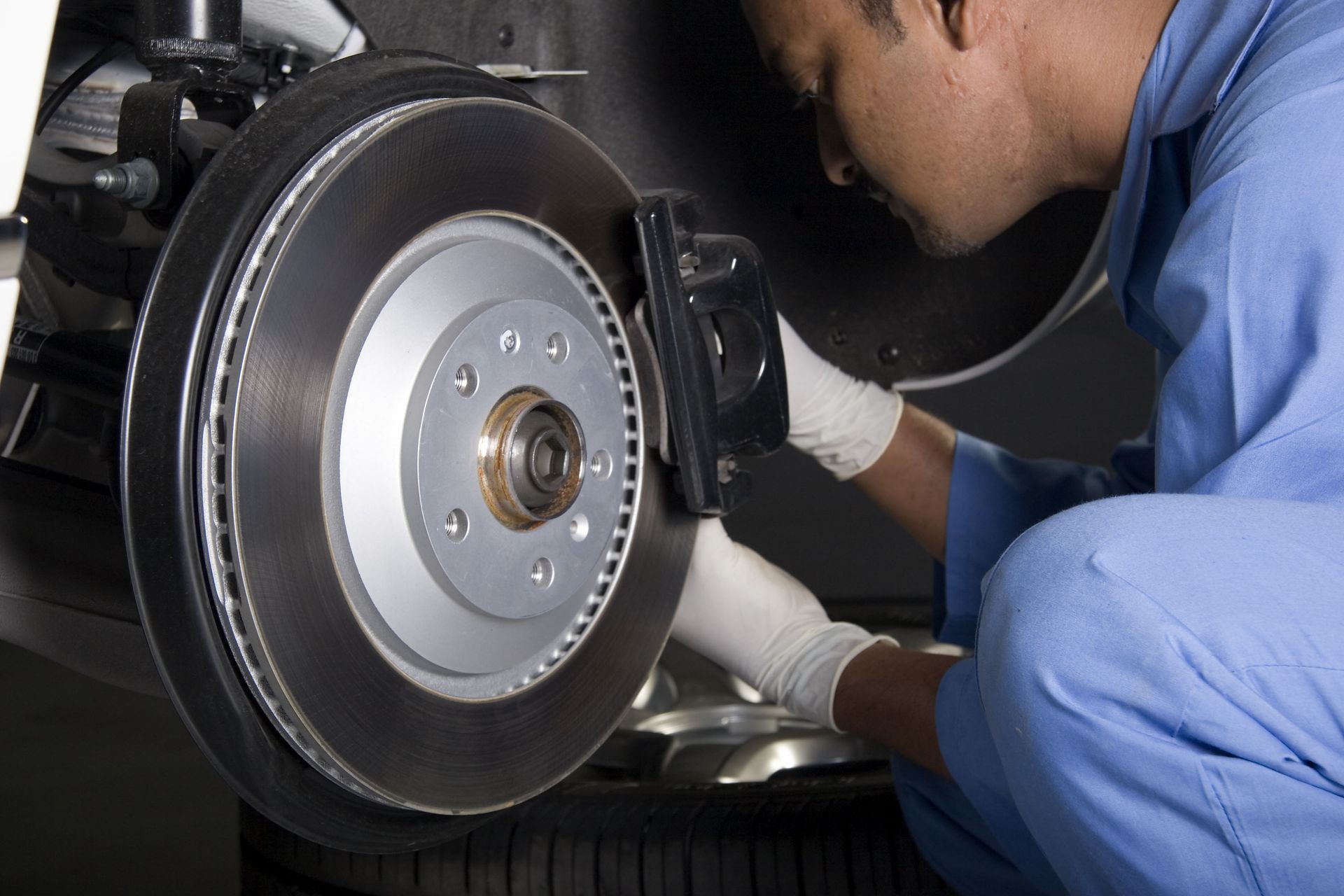
Brake pads wear down gradually as you drive, making it hard to notice subtle changes in stopping responsiveness over time. While the wheels are accessible during service, asking your technician to measure pad thickness gives you a clear update on your braking system. Knowing how much friction material remains allows you to plan ahead for replacement service before metal components grind together. Catching worn pads early protects the brake rotors from scoring and damage. Staying informed about brake health helps maintain stopping safety while keeping routine car repairs simple and manageable.
Are Any Hoses or Belts Showing Wear or Cracking?
Rubber belts and flexible hoses endure constant engine heat, vibration, and environmental exposure as you drive day after day. Serpentine belts power critical accessories like the alternator and water pump, while coolant hoses keep engine temperatures stable. Over time, heat causes rubber to harden, crack, or soften, increasing the risk of a sudden tear or burst. Having your technician visually inspect these components during an oil change helps identify fraying or swelling before a failure occurs. Proactive hose and belt replacements prevent roadside breakdowns and protect your engine from severe car repairs caused by overheating.
What Upcoming Services Should I Plan For Next?
Every vehicle follows a manufacturer maintenance schedule designed to keep components operating smoothly over many years. Asking your technician what services are coming up on the horizon helps you stay organized and avoid unexpected maintenance expenses. They can review your current mileage against recommended intervals for spark plugs, timing belts, and drivetrain fluid services. Planning your service visits in advance makes budgeting easier and ensures no critical system gets overlooked. Staying proactive with routine maintenance helps minimize unexpected car repairs and keeps your vehicle running reliably for years to come.
Taking an active role in your vehicle's maintenance makes every service visit more productive and worthwhile. Asking clear questions during routine oil changes helps you stay informed about your vehicle's overall health and upcoming maintenance needs. Keeping track of fluid levels, tire condition, and component wear gives you confidence every time you get behind the wheel. When it is time for your next service visit, turn to DW Autoworks for thorough care, clear answers, and dependable service that keeps your vehicle performing at its best.