July 13, 2026
Owning a vehicle involves regular maintenance and occasional fixes. As components age, drivers find themselves needing auto repairs to keep their vehicles running safely. Understanding the process can provide peace of mind and help you make informed decisions about your vehicle's upkeep. According to Bankrate, vehicles typically need a trip to the mechanic for general upkeep about every 5,000 miles. Ignoring these intervals can lead to severe damage. When issues arise, it is helpful to know exactly what the mechanics are doing under the hood. In this article, we will explore six of the most frequent fixes that drivers encounter. By learning about these standard procedures, you will be better prepared the next time your vehicle needs attention.
1. Brake Services and Repairs
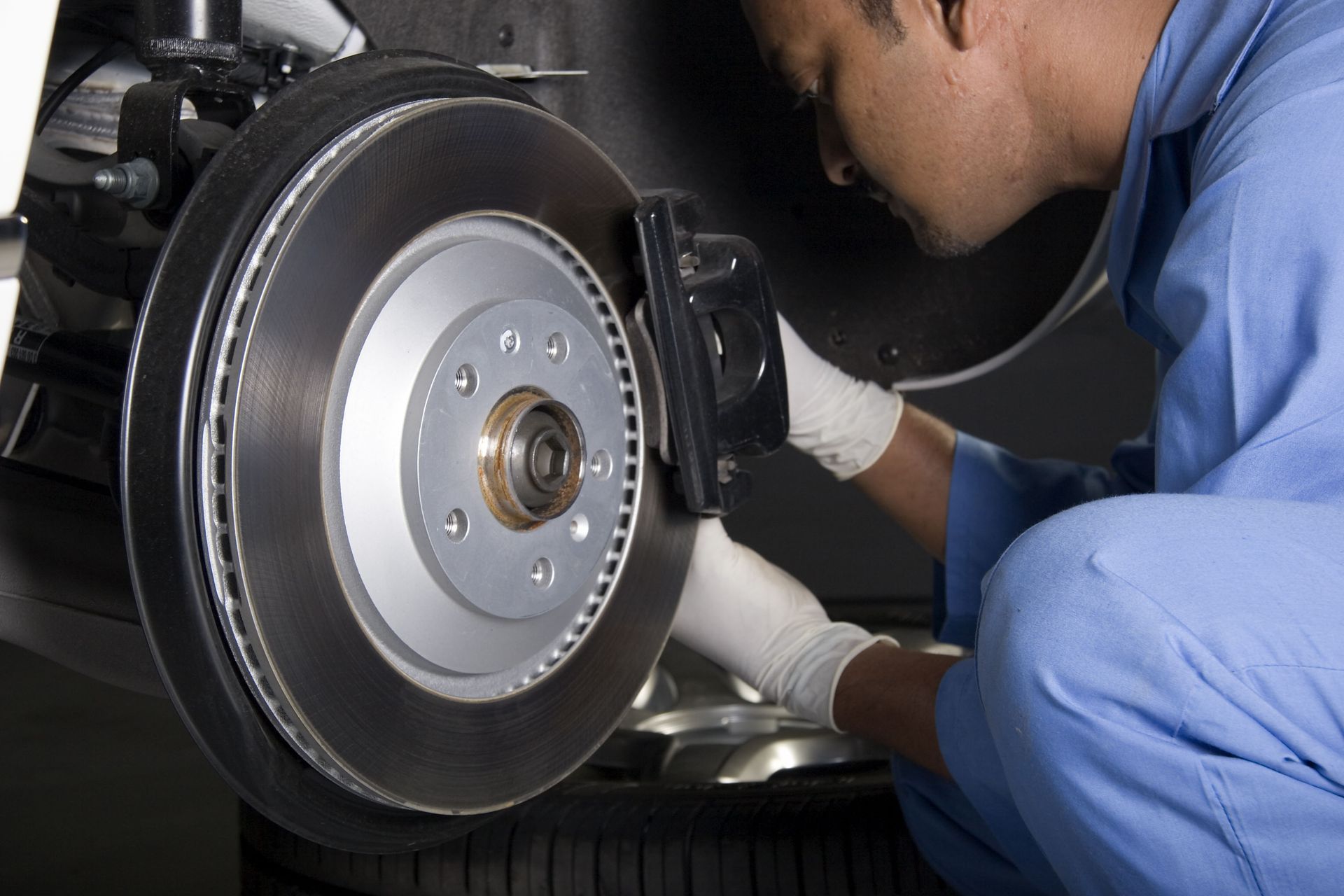
One of the most critical safety systems on any vehicle is the braking system. Over time, the friction material on the pads wears down, requiring professional brake services and repairs. When you bring your vehicle in for these types of auto repairs, the technician begins by hoisting the car on a lift to remove the wheels. They will conduct an auto diagnostic service to inspect the pads, rotors, and calipers. If the pads are worn too thin, they are removed from the caliper assembly and replaced. Sometimes, the rotors may also be warped or scored from excessive heat and friction. In this case, the mechanic will either resurface the rotors using a specialized lathe or replace them entirely. After installing the new components, the technician lubricates the slider pins and reassembles the braking unit. Finally, the system is tested to ensure proper stopping power and that no squeaking or grinding noises remain. This process guarantees that your vehicle can stop safely.
2. Battery Replacements
A dead battery is an incredibly frustrating inconvenience. Batteries typically last between three to five years, depending on the climate and driving habits. When a car struggles to start or the electrical components dim, it is usually time for battery replacements. The procedure for these auto repairs is relatively straightforward but requires careful handling. First, the technician uses a multimeter to confirm that the battery is failing and not just discharged. Once confirmed, they put on protective gear to avoid contact with corrosive battery acid. The mechanic disconnects the negative terminal first, followed by the positive terminal, to prevent short circuits. The old battery is then unbolted from its mounting bracket and lifted out of the engine bay. The technician cleans the cable connectors to remove built-up corrosion, ensuring a solid connection. The new battery is seated in the tray, secured, and connected. A final test ensures the vehicle starts smoothly and the charging system is functioning properly.
3. Auto Air Conditioning Services
Driving without a functional climate control system can be uncomfortable during sweltering summer months. When the cabin fails to cool down, drivers frequently seek out auto air conditioning services to restore comfort. The process for these specific auto repairs involves several highly technical steps. First, the mechanic connects a manifold gauge set to the high and low-pressure ports to measure refrigerant levels. If the pressure is low, it indicates a leak in the system. To pinpoint the exact location of the escaping gas, technicians often inject a UV dye into the refrigerant lines and use a blacklight. Common culprits include cracked hoses, faulty O-rings, or a damaged compressor. Once the faulty part is identified and replaced, the mechanic uses a vacuum pump to remove all air and moisture from the system. Finally, they recharge the system with the precise amount of new refrigerant specified by the manufacturer.
4. Alternator and Starter Repairs
If your battery is new but your car still will not start, the issue often lies within the starting and charging systems. This leads to the need for alternator and starter repairs. These components are vital; the starter cranks the engine, and the alternator keeps the battery charged. When performing these auto repairs, the mechanic must accurately diagnose which component is failing. For a bad starter, the technician locates the unit near the transmission. They disconnect the battery to prevent electrical shocks, remove the wiring harness, and unbolt the starter. A new starter is then bolted into place and wired up. If the alternator is the culprit, the mechanic must first relieve the tension on the serpentine belt to remove it from the pulley. After disconnecting the electrical connections and mounting bolts, the old alternator is extracted. The replacement is installed, the belt is routed correctly, and the electrical output is tested to verify it is charging the battery.
5. Car Radiator Services
An overheating engine is a serious problem that can cause catastrophic damage if not addressed quickly. The cooling system regulates the engine's temperature, and when it fails, car radiator services are necessary. These critical auto repairs focus on preventing the engine from sustaining extreme heat damage. The procedure begins with a pressure test of the cooling system to locate leaks in the radiator, water pump, or connecting hoses. If the radiator is clogged or cracked, it must be removed. The mechanic starts by opening the petcock valve to drain the degraded coolant. Next, they disconnect the upper and lower radiator hoses, alongside any transmission cooling lines attached to the unit. The mounting brackets and the electric cooling fan assembly are unbolted, allowing the damaged radiator to be pulled from the engine bay. The new radiator is carefully lowered into position, and all hoses, fans, and brackets are reattached. The mechanic fills the system with fresh coolant and bleeds any trapped air.
6. Steering and Suspension Repairs
A smooth ride and precise handling are essential for both comfort and safety on the road. When you hit a bump and your vehicle bounces excessively, you likely need steering and suspension repairs. These intricate auto repairs address the components that connect your car to the wheels, including shocks, struts, tie rods, and ball joints. To begin, the mechanic raises the vehicle on a lift to visually inspect the undercarriage. They check for leaking fluid from the shock absorbers and assess the rubber bushings for cracking. If the struts need replacement, the mechanic must remove the wheel and unbolt the strut assembly from the steering knuckle. Because the coil spring is under immense pressure, a specialized spring compressor tool is used to safely remove the spring and transfer it to the new strut. Once the new components are bolted back onto the vehicle, an alignment is required to ensure the tires meet the road at the proper angle, preventing uneven tire wear.
Keeping your vehicle in optimal condition requires vigilance and addressing problems as soon as they arise. From maintaining stopping power with fresh brake pads to ensuring your cabin remains comfortable, each system plays a vital part in your driving experience. By familiarizing yourself with these common fixes, you become an empowered vehicle owner. Ignoring minor symptoms can quickly lead to major breakdowns, transforming a simple fix into a costly ordeal. Whether you are dealing with a dead battery, a failing alternator, or a leaking radiator, addressing the issue promptly is the best course of action. It is beneficial to rely on experienced professionals who understand the complexities of modern automotive engineering. The next time you hear a strange noise or see a warning light illuminate on your dashboard, do not hesitate to seek professional auto repairs. Ensure your vehicle receives the exceptional care it needs to stay reliably on the road. For expert service you can depend on, visit DW Autoworks.